
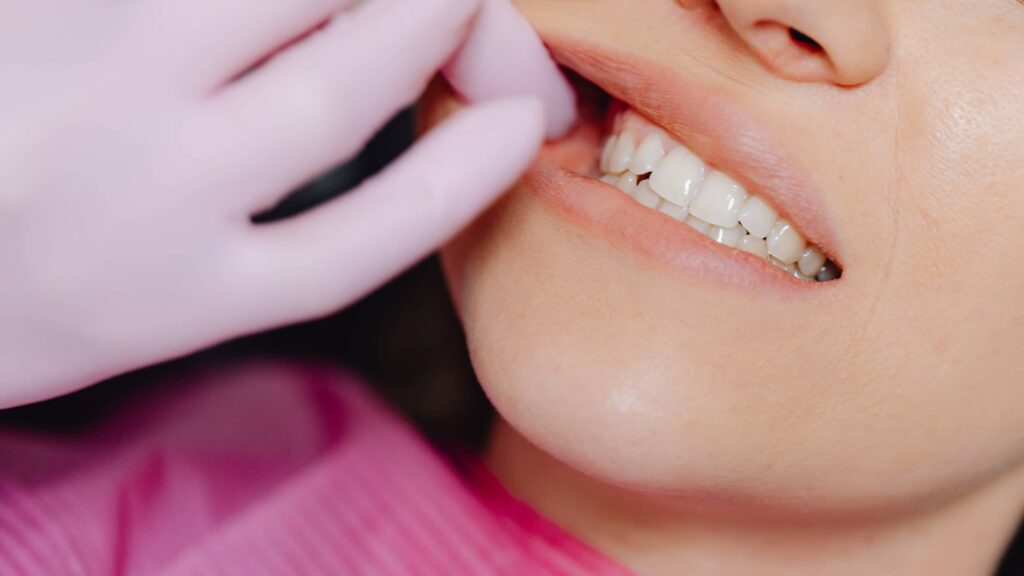
Wisdom teeth are the last set of molars that usually appear between the ages of 17 and 25. In many cases, these teeth grow normally. However, for many people, wisdom teeth cause pain, swelling, or crowding in the mouth. When this happens, dentists often recommend Wisdom tooth removal to protect overall oral health.
Thanks to Advanced dental technology, the procedure has become safer, quicker, and more comfortable than before. In this blog, we will explain the procedure, recovery process, and important care tips after the surgery.
What Are Wisdom Teeth?
Wisdom teeth are located at the back of your mouth. Most adults have four wisdom teeth—two on the top and two on the bottom. These teeth were useful for our ancestors who ate hard foods. However, modern diets and smaller jaw sizes often leave little space for them.
When wisdom teeth do not have enough room to grow properly, they may become impacted. In such cases, dentists suggest Wisdom tooth removal to prevent serious dental problems.
Modern clinics now use Advanced dental technology to diagnose and treat these issues effectively.
Why Wisdom Tooth Removal Is Necessary
Sometimes wisdom teeth grow at the wrong angle or remain trapped under the gums. This can lead to several dental complications.
Common reasons for Wisdom tooth removal include:
- Severe tooth pain
- Gum swelling or infection
- Damage to nearby teeth
- Difficulty cleaning the area
- Tooth crowding
Dentists use digital imaging and Advanced dental technology to check the position of the wisdom teeth and plan the safest treatment.
Signs You May Need Wisdom Tooth Removal
Not everyone experiences symptoms immediately. However, some warning signs indicate that removal may be necessary.
Look for these symptoms:
- Persistent pain at the back of the mouth
- Swollen or bleeding gums
- Bad breath
- Difficulty opening the mouth
- Jaw stiffness
If you notice these issues, consult your dentist. Early diagnosis with Advanced dental technology can determine whether Wisdom tooth removal is required.
The Wisdom Tooth Removal Procedure
Many people feel nervous about dental surgery. However, the process is usually simple and safe.
1. Initial Examination
First, the dentist examines your mouth and takes X-rays. These images help locate the wisdom teeth and identify potential complications.
Today, digital scans and Advanced dental technology allow dentists to see detailed images of the teeth and jaw structure.
2. Anesthesia
Before the procedure begins, the dentist uses local anesthesia to numb the area. In some cases, sedation may be used to help patients relax.
This ensures that Wisdom tooth removal happens without pain.
3. Tooth Extraction
The dentist makes a small opening in the gum to access the tooth. Sometimes the tooth may be divided into smaller pieces for easier removal.
Using modern instruments and Advanced dental technology, dentists complete the extraction carefully while protecting surrounding tissues.
4. Closing the Area
After removing the tooth, the dentist cleans the area and may place stitches if necessary. Gauze is placed over the site to control bleeding.
The entire Wisdom tooth removal procedure usually takes less than an hour.
Recovery After Wisdom Tooth Removal
Recovery is an important part of the healing process. Most people recover within a few days.
Thanks to Advanced dental technology and improved surgical techniques, recovery time has become shorter and more comfortable.
Here is what you can expect after Wisdom tooth removal.
Swelling and Mild Pain
Swelling around the cheeks and jaw is normal for the first two days. Applying an ice pack helps reduce swelling.
Your dentist may also prescribe medication to manage discomfort after Wisdom tooth removal.
Bleeding
Slight bleeding may occur during the first few hours after surgery. Bite gently on the gauze placed by your dentist to control bleeding.
If bleeding continues, contact your dental clinic immediately.
Eating Soft Foods
Your mouth needs time to heal. Therefore, eat soft foods during the first few days.
Recommended foods include:
- Yogurt
- Soup
- Mashed potatoes
- Smoothies
- Scrambled eggs
Avoid hard or spicy foods until your dentist confirms full healing after Wisdom tooth removal.
Care Tips for Faster Healing
Following proper care instructions helps prevent infection and speeds up recovery.
Keep the Area Clean
Good oral hygiene supports healing. However, avoid brushing directly over the extraction site during the first day.
After 24 hours, rinse your mouth gently with warm salt water.
Dentists often provide detailed instructions supported by Advanced dental technology treatment methods.
Avoid Smoking and Alcohol
Smoking can delay healing and increase infection risk. Therefore, avoid tobacco products for at least a few days after Wisdom tooth removal.
Alcohol should also be avoided because it may interfere with medication.
Rest and Hydrate
Your body heals faster when you rest. Drink plenty of water and avoid strenuous activity during the recovery period.
Proper rest supports faster healing after Wisdom tooth removal.
Role of Advanced Dental Technology
Modern dentistry has improved significantly over the years. Today, Advanced dental technology plays an important role in dental surgeries.
Some technologies used in wisdom tooth procedures include:
- Digital X-rays
- 3D imaging scans
- Laser-assisted surgery
- Computer-guided treatment planning
These tools help dentists perform Wisdom tooth removal with greater precision and less discomfort.
Additionally, Advanced dental technology reduces complications and improves patient safety.
Possible Risks and Complications
Although the procedure is safe, some rare complications may occur. These may include:
- Infection
- Dry socket
- Temporary nerve irritation
- Prolonged swelling
Fortunately, modern Advanced dental technology allows dentists to identify risks early and manage them effectively.
Always follow your dentist’s instructions after Wisdom tooth removal to reduce complications.
Benefits of Removing Wisdom Teeth
Removing problematic wisdom teeth offers several benefits.
These include:
- Relief from pain and swelling
- Prevention of gum infections
- Reduced risk of tooth crowding
- Improved oral hygiene
- Protection for nearby teeth
With the help of Advanced dental technology, the procedure has become more predictable and successful.
When Should You Visit a Dentist?
If you experience ongoing discomfort in the back of your mouth, do not ignore it. Early evaluation helps prevent serious dental problems.
Regular dental visits allow doctors to monitor wisdom teeth development and plan Wisdom tooth removal if necessary.
Early treatment combined with Advanced dental technology ensures the best outcome.
Conclusion
Wisdom teeth can cause several dental issues when they do not grow properly. Fortunately, modern dentistry offers safe and effective solutions.
Wisdom tooth removal is a common procedure that helps prevent infections, pain, and crowding. With the support of Advanced dental technology, dentists perform this treatment with greater accuracy and comfort.
If you experience pain or swelling near your wisdom teeth, consult a dental professional. Early diagnosis, proper treatment, and good aftercare will help you maintain a healthy and pain-free smile.