
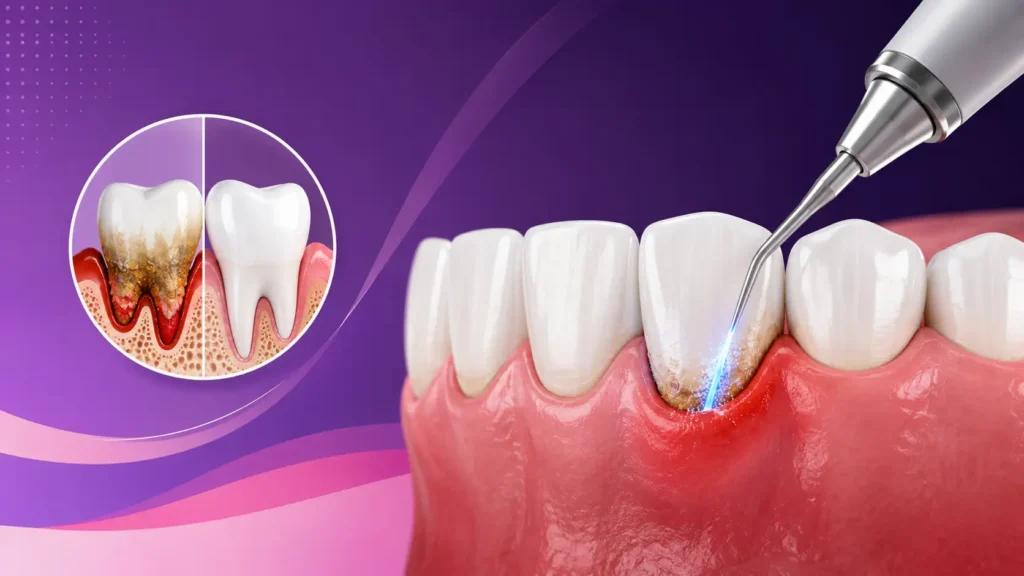
Gum Disease Treatment is essential for maintaining healthy teeth, strong gums, and a confident smile. Gum disease is one of the most common dental problems, affecting people of all ages. If left untreated, it can damage the gums, weaken the bones supporting the teeth, and even lead to tooth loss. Fortunately, modern dentistry offers advanced treatment options that help stop the infection, restore gum health, and prevent future complications. Along with professional care, Preventive Dental Care plays a major role in protecting your oral health.
Many people ignore early signs of gum disease because they are painless. However, early diagnosis and timely treatment can prevent serious dental problems. In this blog, you will learn about gum disease, its causes, symptoms, treatment options, and the importance of preventive care.
What Is Gum Disease?
Gum disease is an infection that affects the tissues surrounding and supporting the teeth. It begins when plaque, a sticky layer of bacteria, builds up on the teeth and gums.
Without proper cleaning, plaque hardens into tartar, allowing bacteria to grow below the gum line. This can lead to inflammation, bleeding, and damage to the gums.
Early-stage gum disease is called gingivitis, while advanced gum disease is known as periodontitis.
Why Gum Disease Treatment Is Important
Early Gum Disease Treatment helps protect your teeth and prevents long-term oral health problems.
Benefits include:
- Stops gum infection
- Prevents tooth loss
- Reduces gum bleeding
- Improves chewing ability
- Supports fresh breath
- Protects jawbone health
- Improves overall oral hygiene
Seeking treatment early improves recovery and reduces the need for complex dental procedures.
Common Causes of Gum Disease
Several factors increase the risk of gum disease.
Common causes include:
- Poor oral hygiene
- Plaque and tartar buildup
- Smoking
- Diabetes
- Hormonal changes
- Poor nutrition
- Family history
- Certain medications
Maintaining Preventive Dental Care helps reduce these risks.
Symptoms of Gum Disease
Recognizing symptoms early allows for prompt treatment.
Common warning signs include:
- Bleeding gums
- Swollen gums
- Red or tender gums
- Persistent bad breath
- Loose teeth
- Receding gums
- Pain while chewing
If you notice these symptoms, visit your dentist without delay.
Stages of Gum Disease
Gingivitis
This is the earliest stage.
Symptoms include:
- Mild gum swelling
- Bleeding while brushing
- Gum tenderness
At this stage, the condition is usually reversible with professional cleaning and improved oral hygiene.
Periodontitis
If untreated, gingivitis may progress to periodontitis.
The infection spreads deeper into the gums and supporting bone.
Advanced Gum Disease Treatment becomes necessary to control the disease and preserve natural teeth.
Advanced Gum Disease Treatment Options
Modern dentistry offers several effective treatment methods.
Professional Dental Cleaning
Dentists remove plaque and tartar that regular brushing cannot eliminate.
Scaling and Root Planing
This deep cleaning procedure removes bacteria beneath the gum line and smooths the tooth roots.
Antibiotic Therapy
In some cases, dentists prescribe antibiotics to control bacterial infection.
Laser Gum Treatment
Laser technology removes infected tissue while promoting faster healing and reducing discomfort.
Gum Surgery
Severe cases may require surgery to restore damaged gum tissue.
Your dentist recommends the most suitable treatment based on the severity of the condition.
Importance of Preventive Dental Care
Good oral hygiene remains the best way to prevent gum disease.
Preventive Dental Care includes:
- Brushing twice daily
- Daily flossing
- Professional dental cleaning
- Regular dental check-ups
- Healthy eating habits
- Early treatment of dental problems
Preventive care reduces the likelihood of developing advanced gum disease.
Daily Oral Care Tips
Simple daily habits keep your gums healthy.
Follow these recommendations:
- Brush with fluoride toothpaste.
- Floss every day.
- Replace your toothbrush every three months.
- Rinse with an antibacterial mouthwash.
- Drink plenty of water.
- Limit sugary foods.
These habits support healthy gums and strong teeth.
Foods That Support Gum Health
Nutrition plays an important role in oral health.
Choose foods such as:
- Fresh fruits
- Leafy green vegetables
- Dairy products
- Lean proteins
- Nuts
- Whole grains
Vitamin C-rich foods help maintain healthy gums and support healing.
Who Is at Higher Risk?
Some individuals have a greater chance of developing gum disease.
Risk factors include:
- Smokers
- People with diabetes
- Older adults
- Pregnant women
- Individuals with poor oral hygiene
- People with weakened immune systems
Regular dental visits help identify problems early.
Benefits of Early Diagnosis
Early detection offers many advantages.
These include:
- Less invasive treatment
- Faster recovery
- Lower treatment costs
- Better oral health
- Reduced tooth loss
- Healthier gums
Routine dental examinations help detect gum disease before serious damage occurs.
Common Myths About Gum Disease
Myth: Bleeding Gums Are Normal
Healthy gums should not bleed during brushing or flossing.
Myth: Tooth Loss Is Part of Aging
With proper Preventive Dental Care, people can keep their natural teeth for life.
Myth: Gum Disease Only Affects Older Adults
Gum disease can affect people of all ages if oral hygiene is neglected.
When Should You Visit a Dentist?
Schedule an appointment if you notice:
- Bleeding gums
- Swollen gums
- Persistent bad breath
- Loose teeth
- Gum recession
- Pain while chewing
Early professional care leads to better treatment outcomes.
Conclusion
Gum Disease Treatment is essential for protecting your teeth, gums, and overall oral health. Modern dental techniques make treatment more comfortable and effective than ever before. When combined with good daily oral hygiene and Preventive Dental Care, these treatments help prevent tooth loss, reduce infection, and maintain a healthy smile.
Regular dental check-ups, healthy lifestyle habits, and prompt treatment of early symptoms can protect your gums for years to come. Taking care of your oral health today leads to stronger gums, healthier teeth, and greater confidence in your smile.