
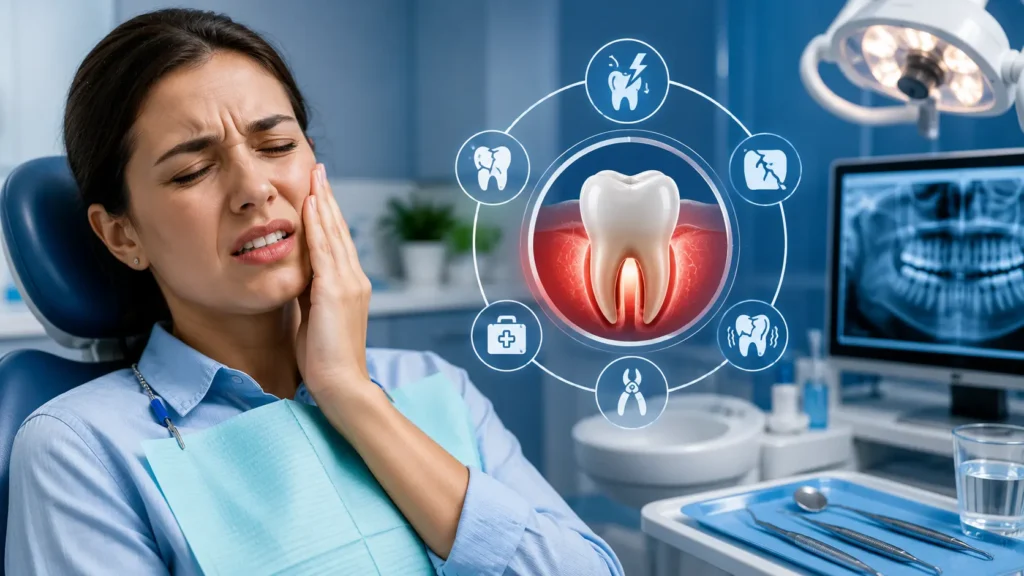
A healthy smile starts with simple daily habits. Brushing, flossing, eating nutritious foods, and visiting your dentist regularly can protect your teeth and gums for years. Dental Hygiene Maintenance plays an important role in keeping your mouth clean, preventing common dental problems, and supporting a confident smile. Along with these habits, Preventive Dental Care helps identify dental concerns early and reduces the need for complex treatments later.
Many people focus on dental care only when they experience tooth pain or sensitivity. However, good oral health requires regular attention even when your teeth feel fine. Plaque and bacteria can build up quietly and may eventually cause cavities, gum problems, bad breath, or tooth damage.
The good news is that maintaining healthy teeth does not require complicated routines. A few consistent habits can make a major difference.
What Is Dental Hygiene Maintenance?
Dental Hygiene Maintenance means taking regular care of your teeth, gums, tongue, and overall oral health. It includes personal care at home as well as professional dental services.
A healthy routine usually includes:
- Brushing twice a day
- Flossing once a day
- Cleaning the tongue
- Drinking enough water
- Eating a balanced diet
- Limiting sugary foods
- Visiting a dentist regularly
These simple steps help remove plaque and food particles before they cause dental problems.
Why Is Good Dental Hygiene Important?
Your mouth contains many types of bacteria. Some bacteria can contribute to plaque formation. When plaque remains on teeth for a long time, it can contribute to tooth decay and gum disease.
Good oral hygiene helps:
- Keep teeth clean
- Protect tooth enamel
- Reduce plaque buildup
- Support healthy gums
- Control bad breath
- Reduce the risk of cavities
- Maintain comfortable chewing
Healthy teeth also make everyday activities such as eating and speaking easier.
Brush Your Teeth the Right Way
Brushing is the foundation of everyday oral care. However, brushing too quickly or using too much pressure may not clean your teeth effectively.
For better results:
- Brush twice daily.
- Use a soft-bristled toothbrush.
- Choose fluoride toothpaste.
- Brush for about two minutes.
- Clean the front, back, and chewing surfaces.
- Gently brush along the gumline.
Avoid brushing too hard. Excessive pressure can irritate your gums and may contribute to enamel wear.
Replace your toothbrush or toothbrush head approximately every three months, or sooner if the bristles become worn.
Do Not Skip Flossing
A toothbrush cannot reach every area between your teeth. Flossing helps remove food particles and plaque from these narrow spaces.
Daily flossing can help:
- Clean between teeth
- Support healthy gums
- Reduce plaque buildup
- Lower the risk of cavities between teeth
Move the floss gently between your teeth instead of forcing it into the gums. If traditional floss feels difficult to use, ask your dentist about other interdental cleaning options.
Clean Your Tongue
Bacteria and food particles can collect on the surface of the tongue. Cleaning your tongue can improve mouth cleanliness and help control unpleasant breath.
You can gently clean your tongue with a toothbrush or tongue cleaner. Avoid applying excessive pressure because the tongue is sensitive.
Eat for Better Oral Health
Your diet affects your teeth and gums. Foods that contain excessive sugar can increase the risk of tooth decay.
Choose more:
- Fresh vegetables
- Fruits
- Whole grains
- Milk
- Yogurt
- Cheese
- Nuts
- Water
Calcium-rich foods can support strong teeth and bones. Drinking water also helps wash away food particles and keeps your mouth hydrated.
Try to limit frequent sugary snacks, sweets, and sugary drinks.
The Role of Preventive Dental Care
Preventive Dental Care focuses on protecting your oral health before serious problems develop. Instead of waiting for pain or damage, preventive care encourages regular examinations and professional cleaning.
A dentist may recommend:
- Routine dental examinations
- Professional teeth cleaning
- Fluoride treatments
- Dental sealants
- Gum health checks
- Oral health education
Regular visits allow dentists to identify small concerns before they become more difficult to manage.
Why Professional Dental Cleaning Matters
Daily brushing and flossing are essential, but they may not remove hardened tartar completely. Professional dental cleaning helps remove deposits that regular brushing cannot eliminate.
During a professional cleaning, a dental professional may remove plaque and tartar from the teeth and around the gumline. The dentist or hygienist may also check your gums for signs of inflammation.
Regular cleaning supports your daily oral hygiene routine and helps maintain a cleaner smile.
Watch for Signs of Dental Problems
Do not ignore changes in your mouth. Contact a dental professional if you notice:
- Persistent tooth pain
- Bleeding gums
- Swollen gums
- Tooth sensitivity
- Loose teeth
- Persistent bad breath
- Pain while chewing
- Mouth sores that do not heal
Early attention can prevent a minor issue from becoming a larger problem.
Common Dental Problems
Poor oral care can increase the risk of several dental conditions.
Cavities
Cavities develop when acids produced by bacteria damage tooth enamel. Regular brushing, fluoride use, and a balanced diet can help reduce the risk.
Gum Disease
Plaque around the gumline can cause gum inflammation. Early gum disease may cause redness or bleeding. Without proper care, it can become more serious.
Bad Breath
Food particles and bacteria can contribute to unpleasant breath. Brushing, flossing, tongue cleaning, and regular dental visits can help.
Tooth Sensitivity
Sensitivity may occur when enamel becomes worn or when the tooth’s protective layers become exposed. A dentist can identify the cause and recommend suitable care.
Dental Hygiene for Children
Children should learn healthy oral habits early. Parents can help by supervising brushing and teaching children how to clean their teeth properly.
Encourage children to:
- Brush twice daily
- Use age-appropriate fluoride toothpaste
- Drink water
- Limit sugary snacks
- Visit the dentist regularly
Early habits can create a strong foundation for lifelong oral health.
Habits That Can Damage Your Teeth
Some everyday habits can harm your smile over time.
Avoid:
- Using your teeth to open packages
- Chewing ice
- Smoking or using tobacco
- Consuming excessive sugary drinks
- Brushing too aggressively
- Ignoring dental pain
- Skipping regular dental visits
Small changes can protect your teeth from unnecessary damage.
How to Maintain Oral Health Every Day
A practical daily routine does not need to take much time.
Morning
Brush your teeth with fluoride toothpaste and clean your tongue.
During the Day
Drink water regularly and choose nutritious foods. Rinse your mouth with water after meals when brushing is not possible.
Night
Brush before bed and floss carefully. Night-time cleaning is especially important because bacteria remain active while you sleep.
Following this routine consistently supports better oral health.
Benefits of Long-Term Preventive Care
Regular Preventive Dental Care can provide important long-term benefits.
It can help:
- Detect problems early
- Reduce the risk of cavities
- Support gum health
- Maintain fresh breath
- Protect natural teeth
- Reduce the need for complex treatment
Preventive care also helps you understand your individual oral health needs.
Conclusion
Healthy teeth depend on consistent care rather than occasional attention. Dental Hygiene Maintenance helps remove plaque, protect your gums, and maintain strong natural teeth. Brushing twice a day, flossing, eating a balanced diet, cleaning your tongue, and drinking enough water can make your daily routine more effective.
At the same time, Preventive Dental Care gives your dentist an opportunity to identify potential problems early. Regular examinations and professional cleaning can support your efforts at home.
A healthy smile starts with small habits. Make oral care part of your everyday routine, and your teeth and gums will have a better chance to stay healthy for years to come.
Pingback: Family Dental Care | Healthy Smiles for Every Generation - Chavan Dental Care