
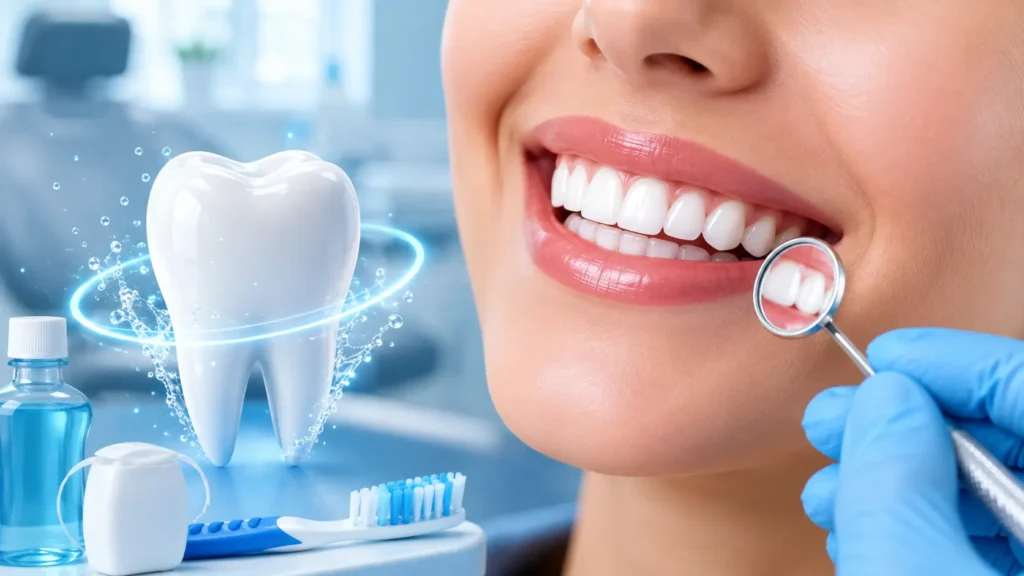
A healthy smile is one of your greatest assets. It helps you feel confident, enjoy your favorite foods, and maintain good overall health. Good oral care begins with Dental Hygiene Maintenance, which keeps your teeth and gums clean and healthy every day. Along with regular brushing and flossing, Preventive Dental Care helps stop dental problems before they become painful or expensive. Simple habits followed consistently can protect your smile for many years.
Many people wait until they experience tooth pain before visiting a dentist. However, most dental problems develop slowly and can be prevented with proper oral hygiene. Taking care of your teeth every day is much easier than treating advanced dental conditions later.
In this blog, you will learn why dental hygiene maintenance is important, how preventive dental care works, and the best daily habits to keep your teeth and gums healthy.
What Is Dental Hygiene Maintenance?
Dental Hygiene Maintenance is the regular care of your teeth, gums, and mouth to prevent dental diseases. It combines daily oral hygiene practices with routine professional dental care.
It includes:
- Brushing twice daily
- Flossing every day
- Using fluoride toothpaste
- Cleaning your tongue
- Visiting your dentist regularly
- Eating a balanced diet
These habits help remove plaque and reduce harmful bacteria that can damage your teeth.
Why Dental Hygiene Matters
Good oral hygiene protects much more than your smile.
Proper Dental Hygiene Maintenance helps:
- Prevent tooth decay
- Reduce gum disease
- Keep breath fresh
- Protect tooth enamel
- Improve chewing ability
- Support overall health
Healthy teeth also make speaking and eating more comfortable.
Understanding Preventive Dental Care
Preventive Dental Care focuses on preventing dental problems before they require complex treatment.
Common preventive services include:
- Regular dental examinations
- Professional teeth cleaning
- Fluoride treatment
- Dental sealants
- Oral cancer screening
- Gum health evaluation
Early detection allows dentists to treat small issues before they become serious.
Daily Habits for Healthy Teeth
Healthy smiles begin with simple routines.
Brush Twice Every Day
Brushing removes food particles and plaque from your teeth.
For better results:
- Brush for at least two minutes.
- Use a soft-bristled toothbrush.
- Replace your toothbrush every three months.
- Brush gently around the gums.
Floss Daily
Flossing removes plaque between teeth where brushing cannot reach.
Daily flossing helps:
- Prevent cavities
- Protect gums
- Remove trapped food
- Improve oral hygiene
Clean Your Tongue
Bacteria also collect on the tongue.
Cleaning your tongue helps reduce bad breath and improves overall mouth cleanliness.
Eat Foods That Strengthen Teeth
Healthy eating supports strong teeth and gums.
Choose foods such as:
- Fresh fruits
- Vegetables
- Milk
- Cheese
- Yogurt
- Nuts
- Whole grains
Calcium and vitamins strengthen teeth and maintain healthy gums.
Reduce sugary foods and soft drinks because they increase the risk of cavities.
Visit Your Dentist Regularly
Routine dental visits are an important part of Preventive Dental Care.
Your dentist will:
- Examine your teeth
- Check gum health
- Remove plaque and tartar
- Detect cavities early
- Provide personalized advice
Professional cleanings keep your teeth healthier and brighter.
Common Dental Problems
Poor oral hygiene may lead to several dental conditions.
Tooth Decay
Bacteria produce acids that damage tooth enamel and create cavities.
Gum Disease
Plaque buildup causes swollen, bleeding gums if left untreated.
Bad Breath
Poor oral hygiene often leads to unpleasant breath caused by bacteria.
Tooth Sensitivity
Damaged enamel may cause pain when consuming hot or cold foods.
Following proper Dental Hygiene Maintenance reduces the risk of these problems.
Benefits of Preventive Dental Care
Choosing Preventive Dental Care provides many long-term benefits.
These include:
- Healthier gums
- Stronger teeth
- Lower treatment costs
- Early diagnosis
- Better oral health
- Greater confidence
Preventive care helps maintain a healthy smile throughout life.
Tips for Children
Good oral hygiene should begin at an early age.
Parents should encourage children to:
- Brush twice daily
- Floss regularly
- Drink more water
- Eat healthy snacks
- Visit the dentist every six months
Healthy habits developed during childhood often continue into adulthood.
Habits That Damage Teeth
Avoid these common mistakes:
- Skipping brushing
- Ignoring flossing
- Brushing too hard
- Eating excessive sugar
- Smoking
- Delaying dental visits
Replacing these habits with healthier routines protects your smile.
Long-Term Benefits of Healthy Oral Care
Maintaining good oral hygiene provides lasting advantages.
Benefits include:
- Beautiful smile
- Fresh breath
- Strong teeth
- Healthy gums
- Better digestion
- Improved confidence
Healthy teeth contribute to better overall wellness.
When Should You Visit a Dentist?
Schedule a dental appointment if you notice:
- Tooth pain
- Bleeding gums
- Persistent bad breath
- Loose teeth
- Swollen gums
- Tooth sensitivity
Early treatment prevents more serious dental problems.
Conclusion
A healthy smile begins with consistent daily care. Following Dental Hygiene Maintenance helps keep your teeth strong, your gums healthy, and your mouth free from common dental problems. Regular Preventive Dental Care allows dentists to detect issues early and provide treatment before they become severe.
Simple habits like brushing, flossing, eating healthy foods, and visiting your dentist regularly can protect your smile for years. Investing a few minutes each day in oral hygiene is one of the best ways to maintain lifelong dental health and confidence.